
This initiative, led by Águas do Norte, involves the implementation of a prototype at the AGRA wastewater treatment plant, with the goal of providing quaternary treatment to wastewater in order to create conditions for the reuse of these effluents. Depending on the quality achieved, they could be used in agriculture, other economic activities, or even to support biodiversity.
EThis prototype will utilize treatment technologies involving the use of plants and will comply with EU Regulation 2020/741 of the European Parliament and of the Council of 25 May 2020, mostly transposed into national legislation by Decree-Law No. 119/2019 of 21 August.
Given the strong industrial component of the effluent from the Agra wastewater treatment plant, this prototype takes on an innovative character by applying a nature-based solution to the treatment of this type of wastewater, with a view to improving its quality and creating conditions for its reuse.
Water quality and availability
- The prototype, through quaternary treatment, increases the quality of wastewater, making it compatible with different uses.
- It reinforces water availability during periods of greater scarcity. This helps reduce pressure on the water system and better respond to the impacts of droughts.
Water circularity
- Promoting water circularity by transforming treated wastewater into a new water source with reuse potential.
- Reducing exclusive dependence on conventional sources, reinforcing more efficient and resilient water resource management.
What’s the plan?
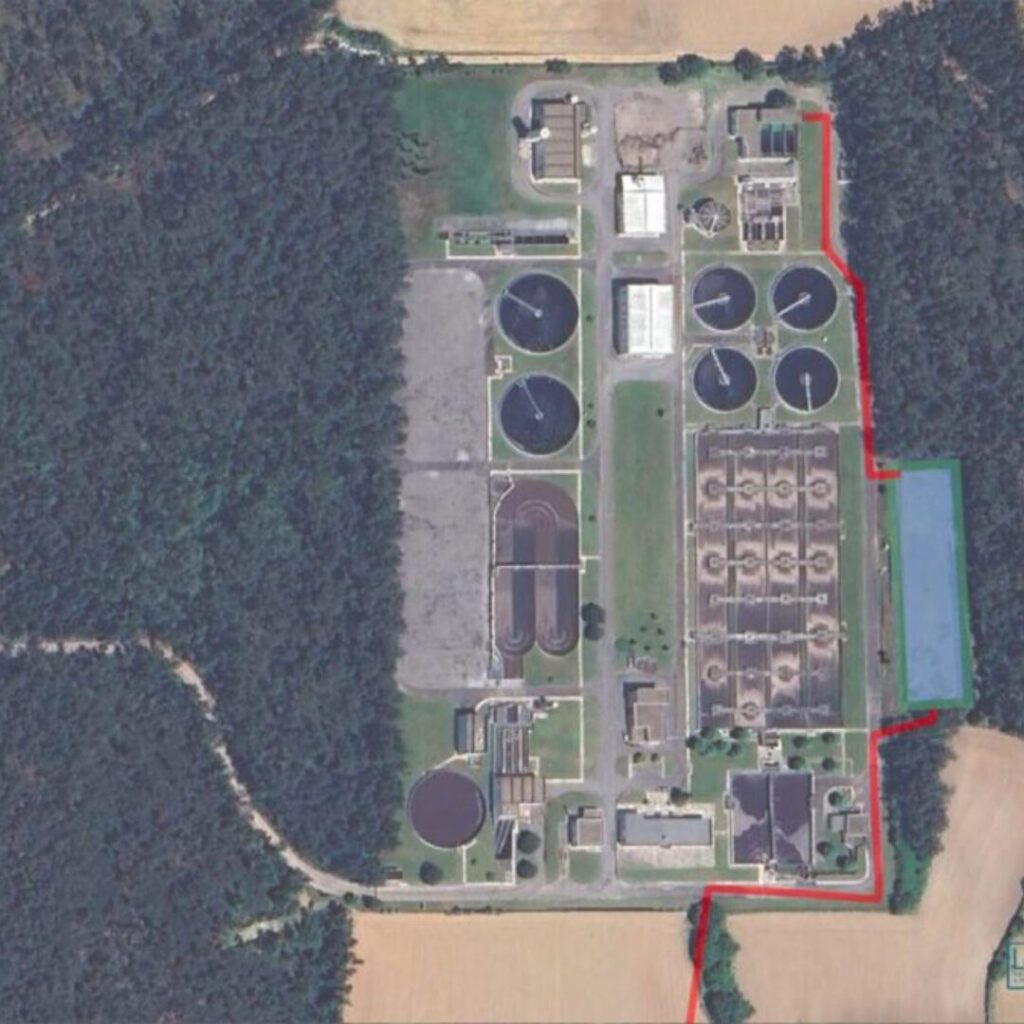
Development and installation of a prototype.
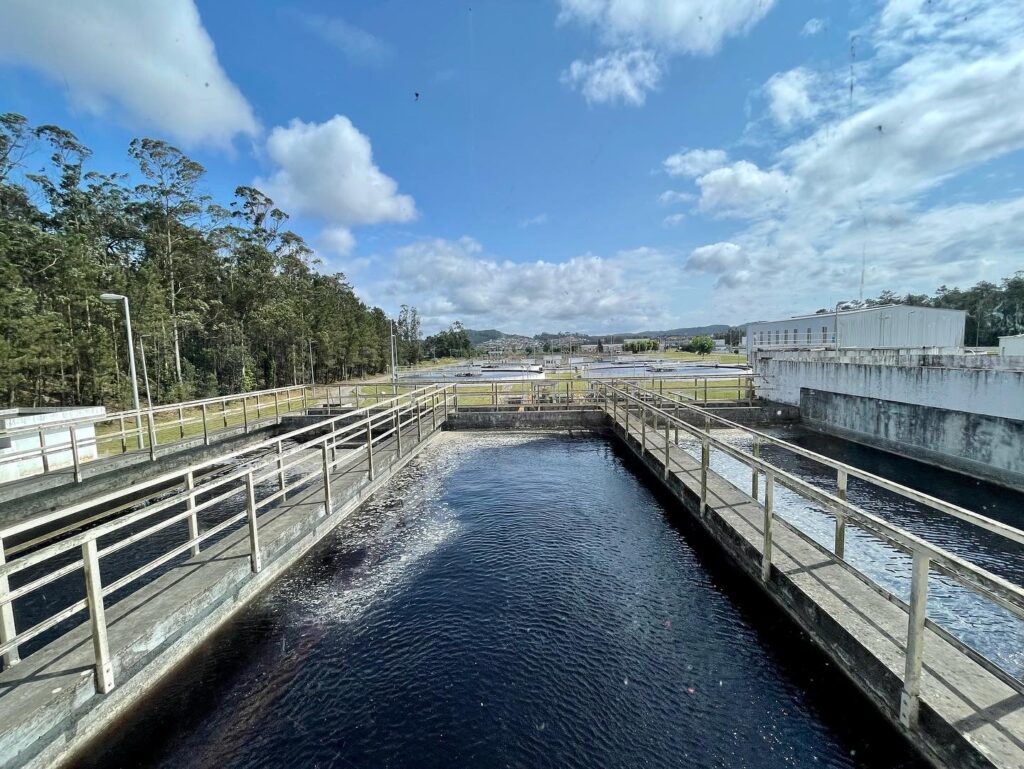
Prototype Research & Optimization
This component includes the implementation of a pilot prototype for complementary wastewater treatment, installed at the Agra WWTP. The system collects filtered water from the WWTP and directs it to a refining lagoon equipped with floating islands that support aquatic plants, creating conditions to improve effluent quality and enhance its potential for reuse in compatible applications.
Testing and fine-tuning the functioning of the prototype, which includes regular analysis of water quality and evaluation of system performance in parameters such as suspended solids, organic load, nutrients and microbiological indicators. This phase is essential to guarantee the highest quality of water at the exit of the prototype, considering that it is an industrial effluent.
